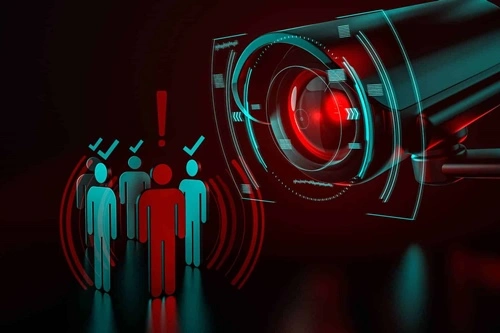
In 1984, George Orwell novel depicts a dystopian world where people are been
controlled and regulated not by punishment, but through the persistent of being
watched. The phrase “Big Brother is watching you” captures a psychological reality:
when people believe they are being observed, they are display of being guarded a
psychological Défense mechanism to protect themselves of being vulnerable. Even in
the absence of visible authority, behavior changes. Orwell’s novel, though fictional,
offers a powerful starting point for understanding how observation becomes a form of
control.
In today’s digital world, surveillance has subtler and in the most familiar forms. In some
countries, state monitoring through cameras, data collection, and digital tracking is a
routine part of daily life, justified in the name of security in order to protect citizens
from terror attacks. Citizens in such environments often adapt by becoming cautious in
speech and public behavior. In contrast, countries like India we continue to enjoy
relatively greater personal freedom in everyday expression and we are protected by
19(1) A article, however recently though digital monitoring is steadily been increasing.
Meanwhile, in the United States, public debates around data privacy, government
surveillance, and individual rights have intensified, reflecting a growing awareness of
how observation can shape autonomy, especially Facebook Cambridge case the public
were made aware that our digital privacy has become a mechanism to be influenced by
some propaganda.
Digital observation is though invisible; unlike traditional surveillance yet rarely can we
escape from it. Smartphones not only keep track of where you are, what you do, and
how you use the internet. Websites gather personal information, look at preferences,
and guess how people will act. People may not always be aware of this surveillance, but
the fact that digital footprints exist has a subtle effect on how people act online.
For instance, people often think twice before posting their thoughts on social media
because they know that posts can be screenshotted, shared, or misread. A lot of people
delete tweets, save posts, or have separate "private" and "public" accounts. People
censor themselves online to avoid being judged, getting backlash, or facing long-term
consequences.
Social media sites make the psychology of the gaze stronger by turning everyday life
into a show. Likes, views, comments, and follower counts are all signs that people like
you. People change how they act, look, and even feel when they know theyre being
watched by an unseen audience because they think thats what people expect of them.
People might not show their true feelings of sadness, anger, or unpopular opinions;
instead, they might show a carefully filtered version of themselves. Over time, this can
make you feel more fake and emotionally drained. The gaze is no longer just one
persons; its now a group of people, which makes self-surveillance constant and
unavoidable.
The Psychological Effect of Being Watched
People become more careful when they think someone is watching them, whether its
online or in person. Language becomes careful, humour is kept to a minimum, and self-
expression is limited. This causes people to pay more attention to how others see them
than to how they really feel.
This caution may encourage people to fit in, but it can also stifle creativity, spontaneity,
and honesty about feelings. People who constantly check on themselves have been
shown to be more anxious and less psychologically comfortable because they are almost
always aware of the internal observer.
Privacy as a Form of Psychological Safety
Being able to be alone is very important for mental health. People can process their
feelings, figure out who they are, and make mistakes without worrying about what
others will think in private spaces, both physical and digital. When surveillance,
whether by the government or by the internet, breaks down these spaces, the mind
adapts by becoming defensive instead of expressive.
Knowing this helps us understand why discussions about digital privacy are not just
legal or political, but also very psychological. Privacy protects the minds ability to relax,
think, and be real.
The gaze has changed from Orwells 1984 to todays digital platforms, but its
psychological power hasnt. Being watched, whether its by the government, through
data tracking, or on social media, changes how people act and feel. The psychology of
the gaze teaches us that freedom isnt just about what we can do; its also about whether
we feel safe enough to be alone. By protecting privacy, societies protect not only rights
but also mental health.